
Polvoron has been a cherished treat in my family for as long as I can remember. I recall my Lola (grandmother) carefully toasting flour in a pan, the sweet, nutty aroma filling her small kitchen. As a child, I’d eagerly watch her press the delicate mixture into molds, creating these delightful Filipino shortbread cookies. There’s something so comforting about the way they melt in your mouth, a perfect blend of sweet and crumbly. This easy homemade polvoron dessert is truly a taste of my heritage, and I can’t wait for you to experience it too. Let’s get cooking!
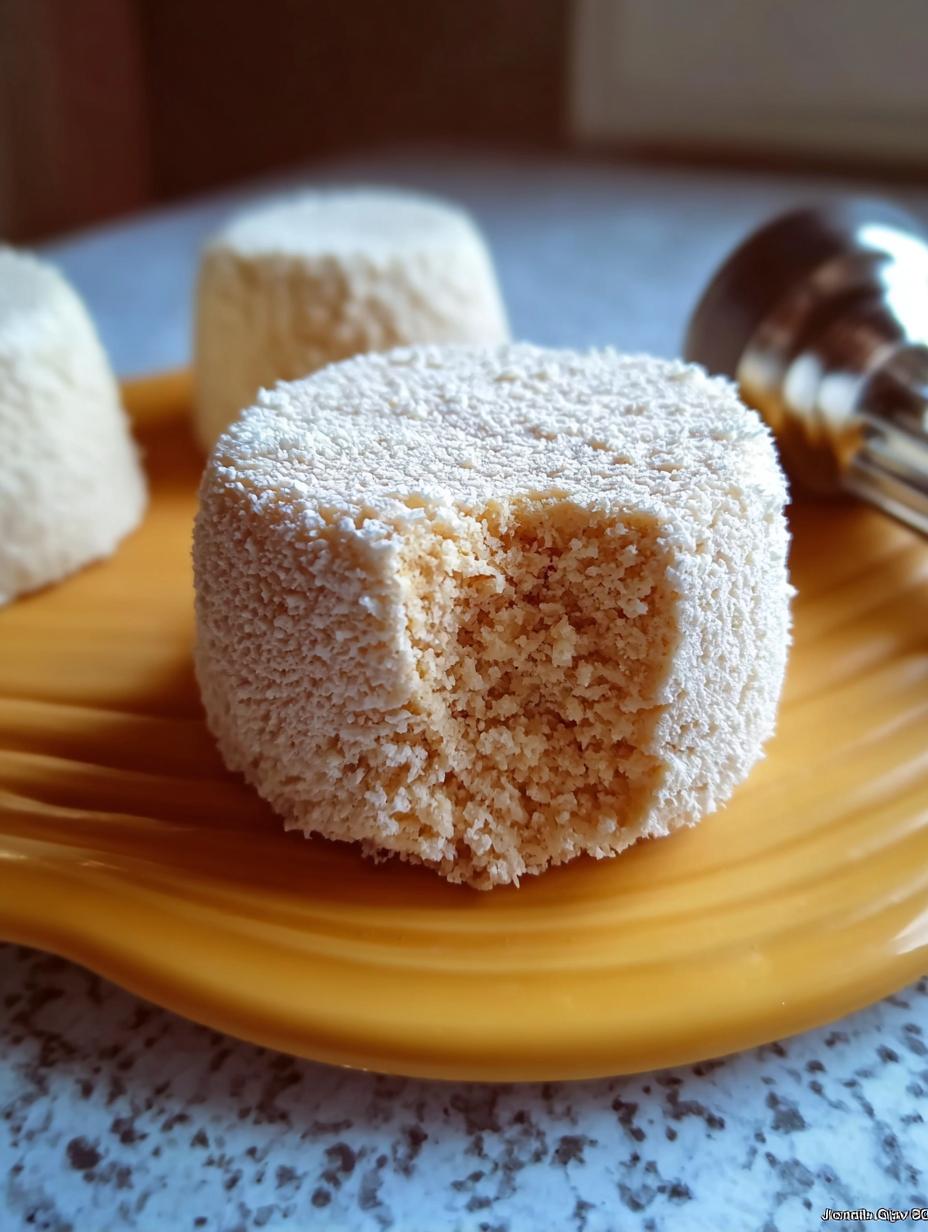
Why You’ll Love This Polvoron
I know you’re going to adore this Polvoron recipe as much as I do. It’s more than just a sweet treat; it’s an experience!
- This Polvoron offers an irresistibly sweet, buttery, and crumbly texture that simply melts in your mouth.
- It’s a surprisingly quick and easy Polvoron recipe to prepare, perfect for when you need a delightful dessert without a lot of fuss.
- Making this easy Polvoron recipe at home is far more budget-friendly than buying store-bought versions.
- It’s incredibly versatile; you can easily customize the flavors to suit your family’s preferences.
- This delightful Filipino shortbread cookie is a wonderful activity to do with kids, creating sweet memories together.
- The ingredients for this easy Polvoron recipe are readily available, making it accessible for anyone to try.
Ingredients for Traditional Polvoron
To make this delightful Filipino shortbread cookie, you’ll need just a few simple ingredients. I love how accessible these pantry staples are, making it easy to whip up a batch whenever a craving strikes!
- 4 cups all-purpose flour – This forms the base of our Polvoron. We’ll toast it first to bring out a nutty flavor.
- 2 cups powdered milk – This is what is Polvoron made of, providing that creamy, distinctive richness.
- 1.5 cups granulated sugar – For the perfect balance of sweetness in every bite.
- 0.75 cups pinipig (crushed roasted rice puffs) – This is optional, but I highly recommend it for extra texture and a subtle toasted flavor.
- 1.125 cups softened butter (unsalted is best) – Room temperature butter is crucial for binding everything together and creating that melt-in-your-mouth texture.
- Wax paper or cellophane for wrapping – Essential for shaping and preserving your finished Polvoron.
How to Make Polvoron at Home
Making this delightful Polvoron at home is a fun and rewarding experience, and I promise you’ll be amazed at how simple it is to create these crumbly Filipino treats. Just follow these steps, and soon you’ll be enjoying your very own homemade Polvoron dessert!
- Step 1: Heat a large pan or wok over medium heat. Add your 4 cups of all-purpose flour and begin toasting it. Stir continuously for about 10-15 minutes, or until the flour turns a light golden brown and releases a wonderfully fragrant, nutty aroma. This step is crucial for developing the signature flavor of our Polvoron.
- Step 2: Once the flour is perfectly toasted, transfer it immediately to a large mixing bowl. Let it cool completely for at least 20 minutes. This cooling period is important; if the flour is too warm, it will melt the butter in the next steps, making your Polvoron mixture too oily.
- Step 3: After the flour has cooled, whisk in the 2 cups of powdered milk, followed by the 1.5 cups of granulated sugar. If you’re using pinipig, now is the time to add the 0.75 cups of crushed pinipig. Mix everything thoroughly with a spoon or your hands until all the dry ingredients are well incorporated for your homemade Polvoron dessert.
- Step 4: Add the 1.125 cups of softened butter to the dry mixture. Using your clean hands (I find this is the best way!), incorporate the butter completely. Mix until the mixture comes together and resembles a crumbly dough, similar to wet sand. You want to ensure there are no dry spots.
- Step 5: Allow the mixture to sit undisturbed for about 10 minutes. This resting time helps the ingredients fully absorb the butter, enhancing the binding and making it much easier to mold your beautiful Polvoron.
- Step 6: Now for the fun part! Take your Polvoron molder and scoop a generous amount of the mixture into it. Press down firmly to compact the mixture, then release it onto individual pieces of wax paper or cellophane. I love seeing the perfect shapes come to life. This process creates a delightful homemade Polvoron dessert.
- Step 7: Carefully wrap each piece of Polvoron tightly. You can twist the ends of the wax paper or cellophane to seal them, ensuring your treats stay fresh and hold their shape. This also makes them perfect for gifting!
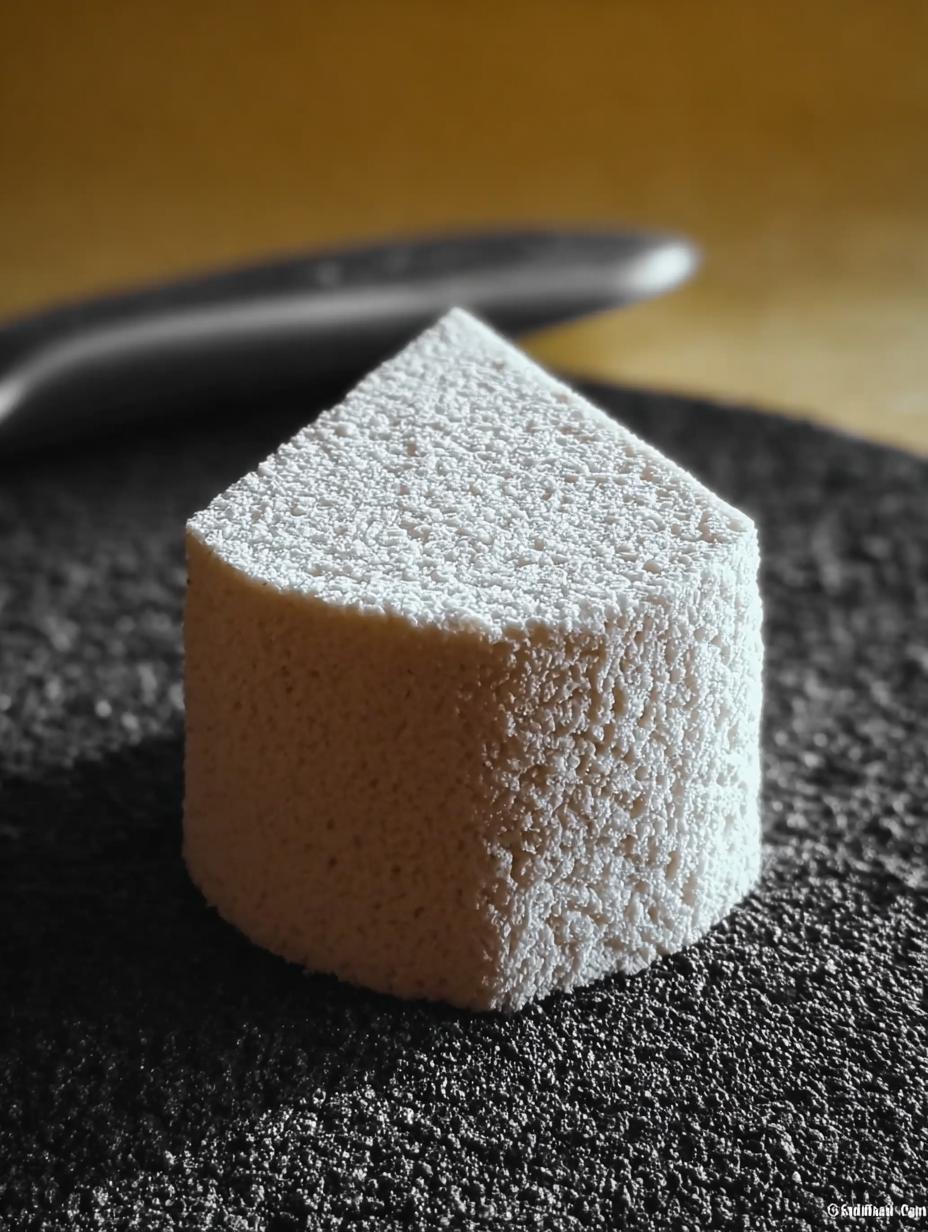
Pro Tips for the Best Polvoron
I’ve made countless batches of Polvoron over the years, and I’ve picked up a few tricks that guarantee a perfect result every single time. These expert tips will help you achieve that melt-in-your-mouth texture and rich flavor that makes this Filipino shortbread cookie so beloved.
- Always toast your flour slowly and evenly, stirring constantly. This develops a deep, nutty flavor that’s essential for authentic Polvoron.
- Don’t rush the cooling process for the toasted flour. It must be completely cool before mixing with the butter to prevent an oily, crumbly mess.
- When mixing in the butter, use your hands! It’s the best way to ensure the butter is evenly distributed and fully incorporated, creating a cohesive mixture for your Polvoron.
- Press the mixture very firmly into your Polvoron molds. This compaction is key to preventing your homemade Polvoron from falling apart.
What’s the secret to perfect Polvoron?
The real secret to perfect Polvoron lies in the proper toasting of the flour and the thorough incorporation of the butter. This combination, along with a good resting period for the mixture, ensures that delightful crumbly texture that makes this Filipino milk cookie so irresistible. These simple polvoron making tips make all the difference.
Can I make Polvoron ahead of time?
Absolutely! Polvoron is a fantastic make-ahead dessert. You can prepare the mixture, mold it, and wrap it up to several days in advance. Just store your finished Polvoron in an airtight container at room temperature, and it will be ready to enjoy whenever you are.
How do I avoid common mistakes with Polvoron?
To avoid common mistakes with Polvoron, make sure your flour is completely cooled before adding butter to prevent an oily texture. Also, don’t skimp on pressing the mixture firmly into the molds; this ensures your Polvoron holds its shape. Finally, use good quality powdered milk for the best flavor.
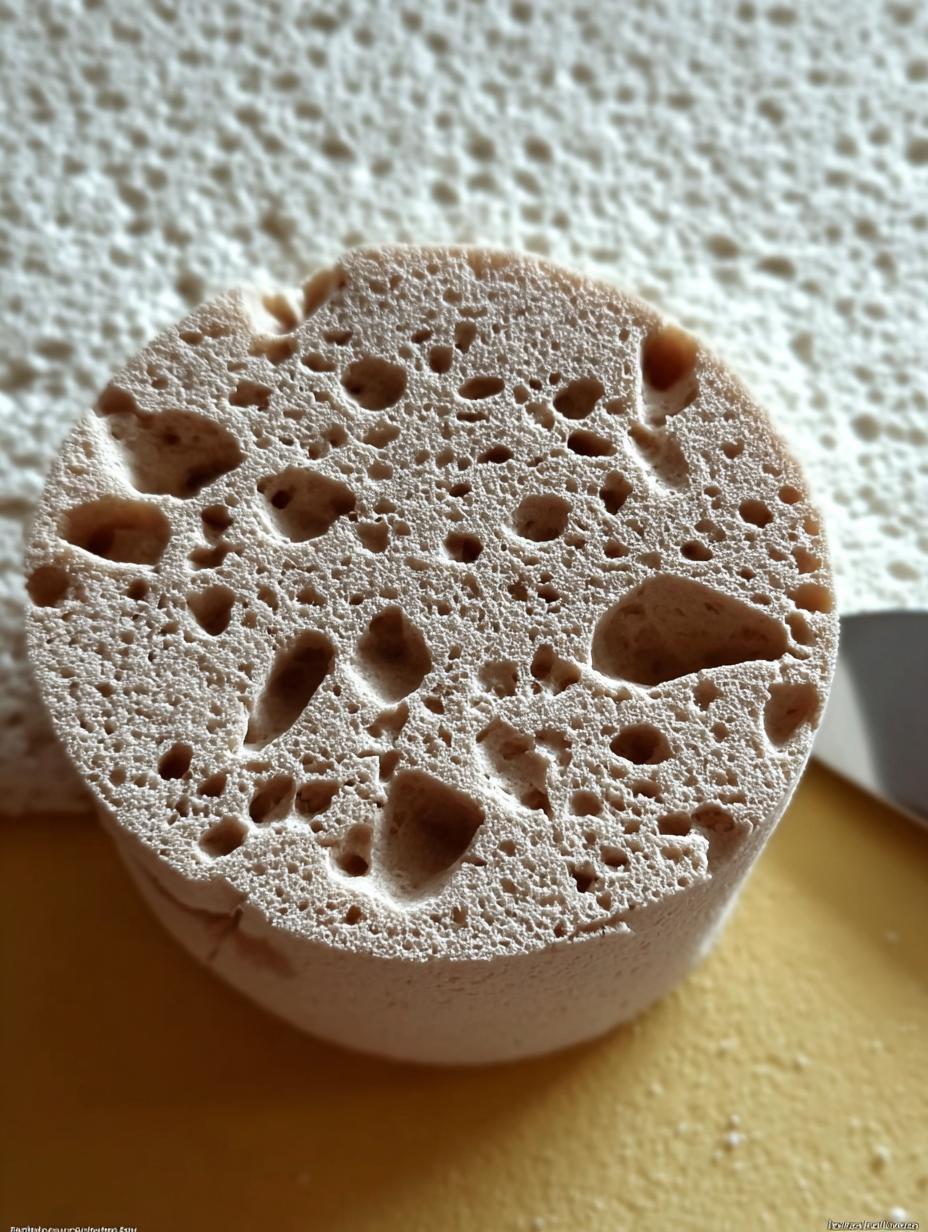
Best Ways to Serve Polvoron
Once you’ve mastered making your own Polvoron, you’ll find there are many delightful ways to enjoy this classic Filipino shortbread cookie. I love serving them fresh, as their melt-in-your-mouth texture is simply divine.
For a perfect afternoon pick-me-up, pair your Polvoron with a hot cup of coffee or a cold glass of milk. The rich sweetness of the cookie beautifully complements the bitterness of coffee or the creaminess of milk.
Consider offering a variety of classic Polvoron flavors like plain, pinipig, or even a chocolate-dipped version on a dessert platter. They make an elegant and unique addition to any gathering, and guests always appreciate the homemade touch. You can also crush them lightly and sprinkle them over vanilla ice cream for an extra special treat.
Nutrition Facts for Polvoron
Here are the estimated nutritional values for one serving of this delicious Polvoron, based on the ingredients and preparation methods I’ve used. Each serving represents one piece of this delightful Filipino shortbread cookie:
- Serving Size: 1 piece
- Calories: 150 kcal
- Fat: 7 g
- Saturated Fat: 4 g
- Carbohydrates: 20 g
- Sugar: 8 g
- Protein: 2 g
- Sodium: 50 mg
Please remember that these nutritional values are estimates and may vary based on specific brands and types of ingredients you use when making your homemade Polvoron.
How to Store and Reheat Polvoron
Once you’ve made your delicious batch of Polvoron, proper storage is key to maintaining its crumbly texture and fresh flavor. I always make sure mine are completely cool before storing them.
For short-term storage, keep your wrapped Polvoron in an airtight container at room temperature. They will stay fresh and delightful for up to 3 days this way. If you need a longer Polvoron shelf life, you can refrigerate them for up to 1 week; just ensure they are tightly wrapped to prevent them from drying out.
For an even longer Polvoron shelf life, these Filipino milk cookies freeze beautifully! Simply place the wrapped pieces in an airtight, freezer-safe container or bag, and they’ll keep for up to 3 months. When you’re ready to enjoy them, thaw your frozen Polvoron in the refrigerator overnight. If you prefer them slightly warm and extra crumbly, I sometimes pop them in a warm oven for a few minutes before serving.
Frequently Asked Questions About Polvoron
Can I freeze Polvoron?
Absolutely! Polvoron freezes wonderfully, which is great for making a big batch ahead of time. I like to wrap each piece individually in plastic wrap, then place them in an airtight freezer-safe container or bag. They can be stored in the freezer for up to 3 months. Just thaw them in the refrigerator overnight before you plan to enjoy them.
Why is Polvoron crumbly?
The distinctive crumbly texture of Polvoron comes from a few key factors. First, the toasted flour and powdered milk base, combined with the butter, creates a mixture that doesn’t develop gluten like traditional baked goods. Second, the absence of liquid (besides the butter) means there’s nothing to bind it into a solid, elastic dough. This is why Polvoron is crumbly and melts so delightfully in your mouth.
What can I use if I don’t have a Polvoron mold?
Don’t worry if you don’t have a specific Polvoron mold! You can still make this delicious Filipino shortbread cookie. Many people use small, clean plastic containers or even bottle caps to press and shape the mixture. Alternatively, you can simply press the mixture into a shallow baking dish, chill it, and then cut it into squares or rectangles before wrapping. It’s all about getting that compact shape.
Are there different types of Polvoron flavors?
Yes, there are many delightful variations of Polvoron! Beyond the classic plain version, some popular flavors include pinipig (toasted glutinous rice), which adds a lovely crunch and nutty aroma. Other common additions are crushed cookies (like Oreos), chocolate chips, or even a hint of coffee. I’ve even experimented with ube (purple yam) powder for a vibrant color and unique taste, making different types of Polvoron a fun culinary adventure.
Variations of Polvoron You Can Try
While the classic Polvoron is undeniably delicious, one of the things I love most about this Filipino shortbread cookie is its versatility. There are so many fun ways to experiment and create different types of Polvoron to suit every taste and occasion!
- Pinipig Polvoron: This is a very popular variation where toasted pinipig (pounded young rice) is mixed into the flour base. It adds a delightful crunch and a subtle, earthy flavor that I absolutely adore.
- Cookies and Cream Polvoron: For the chocolate lovers, crushing up your favorite chocolate sandwich cookies and incorporating them into the mixture creates a wonderfully decadent treat.
- Ube Polvoron: If you’re feeling adventurous, add a bit of ube (purple yam) powder and extract for a vibrant color and distinct, sweet flavor. It’s a beautiful twist on the traditional recipe.
- Chocolate-Dipped Polvoron: For an extra special touch, melt some good quality chocolate and dip half of your molded Polvoron in it. Let it set, and you have an elegant dessert!
Polvoron: 1 Awful Mistake to Avoid!
- Total Time: 55 minutes
- Yield: 12 pieces 1x
- Diet: Vegetarian
Description
This recipe guides you through making Polvoron, a delightful Filipino shortbread cookie. You’ll achieve a sweet, crumbly treat with a nutty aroma, perfect for any occasion. This easy polvoron recipe allows for versatile flavors, making it a great homemade dessert.
Ingredients
- 4 cups all-purpose flour
- 2 cups powdered milk
- 1.5 cups granulated sugar
- 0.75 cups pinipig (crushed roasted rice puffs) (Optional)
- 1.125 cups softened butter (unsalted is best)
- Wax paper or cellophane for wrapping
Instructions
- Heat a pan or wok over medium heat and add 4 cups of all-purpose flour. Stir continuously for 10-15 minutes until it turns light brown and fragrant.
- Transfer the toasted flour to a mixing bowl and let it cool for 20 minutes.
- Whisk in 2 cups of powdered milk, then mix with 1.5 cups of granulated sugar and 0.75 cups of crushed pinipig until everything is well incorporated.
- Incorporate 1.125 cups of softened butter into the mixture. Mix thoroughly until it resembles a dough.
- Allow the mixture to sit for 10 minutes. This step enhances the binding and makes it easier to mold.
- Use a polvoron molder to scoop the mixture onto wax paper or cellophane. Wrap tightly to shape your delightful treats.
- Optional: Dust with powdered sugar before wrapping for an extra sweet touch.
Notes
- Store polvoron in an airtight container at room temperature for up to 3 days.
- Keep polvoron in the fridge for up to 1 week, ensuring it’s wrapped tightly.
- For longer storage, freeze polvoron in an airtight container for up to 3 months.
- Thaw frozen polvoron in the fridge overnight before enjoying.
- If desired, place polvoron in a warm oven for a few minutes to regain its soft crumble before serving.
- Stir constantly while toasting flour to prevent burning, which can negatively impact the polvoron’s flavor.
- Allow the toasted flour to cool fully for 20 minutes to ensure the butter doesn’t melt excessively.
- Mix thoroughly by hand for a well-blended mixture to avoid uneven texture in your polvoron.
- Don’t skip the resting time for the mixture; it helps with binding and ensures a delightful crumbly finish.
- Use a polvoron molder or small plastic molds for consistency.
- Prep Time: 20 minutes
- Cook Time: 15 minutes
- Category: DESSERTS
- Method: Baking
- Cuisine: Filipino
Nutrition
- Serving Size: 1 piece
- Calories: 150 kcal
- Sugar: 8 g
- Sodium: 50 mg
- Fat: 7 g
- Saturated Fat: 4 g
- Carbohydrates: 20 g
- Protein: 2 g
- Cholesterol: 20 mg